Family gatherings create opportunities to celebrate milestones, share traditions, and strengthen relationships across generations. Whether hosting a birthday, anniversary, holiday dinner, or casual reunion, thoughtful planning helps everyone feel welcome. An elegant event does not have to be extravagant. Comfortable seating, appealing food, a pleasant setting, and meaningful personal touches can make an occasion memorable without making preparation unnecessarily complicated.
Planning for guests of different ages requires attention to more than decoration. Children may need room to play, older relatives may appreciate convenient seating, and guests may have dietary restrictions or mobility needs. A successful gathering balances these practical considerations with the atmosphere and style the host wants to create.
Start by considering the people attending, the purpose of the event, and the space available. From there, decisions about food, entertainment, outdoor areas, and personal details become easier to coordinate. With a clear plan and realistic priorities, you can create a gathering that encourages conversation, celebrates family connections, and gives everyone a comfortable place to belong.
Choose Architectural Details That Give Your Gathering Space Character

The setting helps establish the mood before guests even arrive. Architectural details, exterior finishes, and landscaping can give a home or event venue a distinctive appearance that feels appropriate for the occasion. If you are planning a permanent property improvement, consider how the change will complement the building rather than treating it as a separate decorative feature.
A custom cupola can add visual interest to a roofline while reflecting a property’s architectural style. Before choosing a design, consider the building’s proportions, existing materials, roof structure, and maintenance requirements. Because roof modifications can involve structural and weatherproofing considerations, consult qualified professionals before proceeding.
For a cohesive appearance, focus on a few practical details:
-
Match existing architecture: Choose materials, colors, and proportions that suit the building.
-
Consider the approach: Keep entrances attractive, well-lit, and easy for guests to navigate.
-
Plan for upkeep: Understand cleaning, repairs, and ongoing maintenance before committing.
-
Think beyond the event: Select improvements that will remain useful and appealing between gatherings.
Architectural enhancements work best when they complement the entire property. You can then build the event’s decorations around the setting, rather than competing with it.
Build a Menu That Accommodates Different Ages and Preferences
Food often becomes a central part of family gatherings, but planning a menu for several generations requires more than choosing favorite dishes. Guests may have allergies, dietary restrictions, cultural preferences, or different appetites. Children may prefer familiar options, while adults appreciate a varied selection. Asking about important needs in advance helps prevent last-minute complications.
When comparing local catering services, explain the event’s format, guest count, budget, and preferred atmosphere. Ask about menu substitutions, ingredient information, serving staff, delivery, setup, and cleanup. Clarify who will handle food storage and replenishment, particularly if dishes will remain available throughout a long celebration.
Consider these menu-planning tips:
-
Offer variety: Include main dishes, vegetables, sides, and suitable options for different preferences.
-
Label food clearly: Identify common allergens and special dietary choices where possible.
-
Choose a practical format: Buffets offer flexibility, while plated meals can simplify service.
-
Plan children’s portions: Provide familiar foods without assuming every child has identical preferences.
-
Provide accessible drinks: Include water and appealing nonalcoholic choices.
Share the final menu and timing with your caterer before the event. A clear plan helps food service run smoothly, leaving hosts more time to enjoy their guests.
Design Outdoor Spaces for Comfortable, Multi-Generational Entertaining
An outdoor gathering feels more relaxed when the layout supports dining, conversation, and recreation. Consider how guests will move through the space. Children may need room for supervised activities, while older relatives may prefer shaded seating close to the house.
If you’re planning a renovation, a luxury outdoor living space contractor can help assess features such as covered patios, outdoor kitchens, built-in seating, and lighting. Discuss your budget, materials, maintenance expectations, and project schedule before committing.
Plan the layout around guests’ needs:
-
Create separate zones: Provide areas for dining, conversation, and children’s activities.
-
Prepare for weather: Consider shade, shelter, and a rain backup.
-
Keep routes clear: Avoid narrow walkways, loose cables, and blocked entrances.
-
Use suitable lighting: Illuminate steps, pathways, and dining areas.
-
Provide varied seating: Include supportive chairs with backs and arms.
Test the arrangement before guests arrive. A beautiful outdoor setting should also let people move comfortably between activities.
Use Landscape Features to Create a Relaxing Atmosphere

Landscaping can establish a welcoming mood without elaborate decorations. Plants, outdoor lighting, and water features can make a garden or patio feel inviting. Choose elements that suit your property’s size, existing landscape, and maintenance requirements.
A small fountain might suit an intimate courtyard, while a larger property could accommodate a pond. Consider sound as well as appearance. Water sounds may create a relaxing backdrop, but a feature beside the dining area could make conversation difficult.
Before installing a feature, consider:
-
Placement: Keep it away from busy walkways and crowded seating areas.
-
Maintenance: Understand cleaning and seasonal care requirements.
-
Child safety: Restrict access to ponds and other hazards.
-
Lighting: Make surrounding paths visible after dark.
-
Noise: Check how the feature sounds from dining and conversation areas.
Potted plants and seasonal greenery can connect the landscape with event decorations. Keep the design coordinated and leave enough open space for guests to mingle.
Arrange Practical Support for Guests Who Need Extra Assistance
Thoughtful hosts consider what each guest needs to participate comfortably. Some relatives may appreciate help with transportation or navigating the property, while others may need breaks or assistance joining activities. Discuss arrangements privately rather than making assumptions about someone’s abilities.
For a guest who benefits from companionship or practical assistance, companion care may help them participate in social activities and maintain familiar routines. Speak with the guest and their usual caregiver ahead of time to understand what support would be helpful.
Make participation easier with a few arrangements:
-
Share transportation details: Explain parking, drop-off points, and accessible entrances.
-
Create a quiet area: Provide comfortable seating away from loud music.
-
Plan convenient seating: Place chairs near restrooms and refreshments.
-
Allow flexible timing: Let guests take breaks or leave early without pressure.
-
Communicate discreetly: Ask about preferences privately.
Avoid assigning care responsibilities to a relative without asking first. Clear arrangements help guests feel included while allowing everyone to enjoy the celebration.
Prepare Your Home Layout for Guests and Future Gatherings
A home that accommodates several generations can make celebrations easier to host throughout the year. Flexible rooms, clear pathways, and comfortable shared spaces help families accommodate different group sizes. Even without major renovations, rearranging furniture can improve how a home functions during an event.
For families considering a modular home, compare layouts based on everyday living as well as entertaining. Ask builders about customization, accessibility, room configurations, site preparation, local building requirements, and costs.
When reviewing a floor plan, consider:
-
Shared spaces: Plan practical areas for dining and conversation.
-
Guest privacy: Provide a place to rest or talk quietly.
-
Movement: Keep hallways and routes between rooms clear.
-
Storage: Decide where coats, bags, and serving supplies will go.
-
Future flexibility: Consider how rooms might serve different purposes over time.
A functional home does not need to be elaborate. Thoughtful layouts and adaptable furnishings can make existing spaces more welcoming for gatherings of different sizes.
Make Event Planning More Energy-Conscious and Efficient

Gatherings can increase household energy use through cooking, lighting, and climate control. Planning ahead can reduce unnecessary consumption while keeping guests comfortable. Start by identifying which appliances and spaces will be used, then make practical adjustments before investing in new equipment.
If you’re considering solar panel services, ask qualified providers to assess your property’s suitability, electricity use, installation costs, and maintenance needs. Request a clear explanation of expected performance and limitations. Solar panels may contribute to a home’s overall energy supply, but their ability to meet event-related demand depends on the system and household circumstances.
You can also improve efficiency through everyday choices:
-
Use efficient lighting: Choose LED fixtures and turn off lights in unused rooms.
-
Adjust climate control: Set a comfortable temperature before guests arrive.
-
Coordinate cooking: Schedule appliance use to avoid unnecessary operation.
-
Limit outdoor lighting: Illuminate essential paths and gathering areas.
-
Reduce waste: Minimize disposable items where practical.
Focus on changes that suit your home and regular habits. Small adjustments can improve efficiency without making the gathering less welcoming.
Make Gatherings More Comfortable for Older Relatives
Older relatives may value family traditions but find prolonged standing, crowded rooms, or loud entertainment tiring. Consider accessibility, seating, and energy levels when planning the schedule. Small adjustments can help guests remain involved without feeling singled out.
If a relative already receives elderly care, ask them or their caregiver whether any arrangements would make the event easier. Respect the person’s preferences rather than assuming age determines what they can do. Some guests may want to join every activity, while others prefer a shorter visit.
Prepare with these considerations in mind:
-
Choose supportive seating: Provide chairs with backs and arms.
-
Improve access: Keep paths clear and check restroom accessibility.
-
Offer convenient parking: Share drop-off details in advance.
-
Plan breaks: Avoid scheduling activities back-to-back.
-
Adjust the volume: Keep music low enough for conversation.
Ask guests what works best for them. A flexible schedule and accessible setting help relatives participate in ways that feel comfortable and natural.
Connect Family Celebrations With Shared Community Traditions
Family gatherings can become more meaningful when they reflect shared values and community connections. Some families incorporate religious observances, seasonal celebrations, or volunteer activities into their calendar. Others gather through music, storytelling, or meals associated with their heritage. Choose traditions that feel relevant to the people attending.
If you’re asking, “Where can I find a family-friendly church near me?” compare local congregations based on programs, service times, accessibility, children’s activities, and community events. Check current details directly and consider visiting before organizing a group activity. Discuss invitations openly because relatives may have different beliefs or preferences.
Make community traditions welcoming by:
-
Explaining the plan: Share the schedule and expectations beforehand.
-
Considering different ages: Choose activities that allow broad participation.
-
Checking accessibility: Review parking, entrances, and seating.
-
Offering alternatives: Keep participation optional when appropriate.
-
Sharing family stories: Invite relatives to contribute memories or traditions.
Meaningful traditions do not need to be elaborate. Inclusive activities can create shared experiences and memories that carry across generations.
Use Thoughtful Floral Details to Make the Event Feel Personal
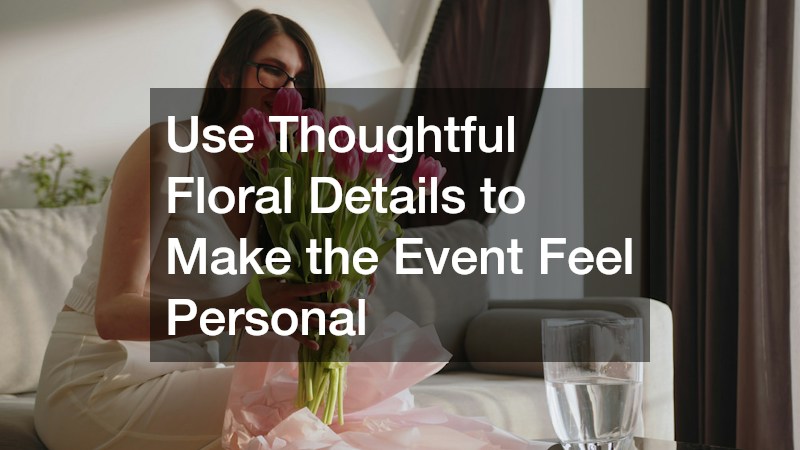
Flowers add color and a sense of occasion to a gathering. Effective arrangements complement the venue and event without competing with food or conversation. Consider the season, color palette, table size, and atmosphere before choosing flowers.
A local floral shop can help select blooms for dining tables, entryways, outdoor seating, or a celebration table. Share your budget and event details early, and ask about seasonal availability, delivery, setup, and care. If guests have known flower allergies or sensitivities, discuss alternative greenery or less fragrant choices.
Use these ideas to personalize floral details:
-
Keep centerpieces low: Let guests see one another across the table.
-
Coordinate colors: Match flowers with linens and other decorations.
-
Reflect family traditions: Include meaningful flowers or colors where appropriate.
-
Reuse arrangements: Move flowers from the entrance to other areas.
-
Offer take-home bouquets: Let guests enjoy smaller arrangements after the event.
You do not need flowers everywhere. A few carefully placed arrangements can make the setting feel polished while keeping the focus on family connections.
Planning an elegant gathering starts with understanding what makes guests feel welcome. A thoughtfully arranged space, appealing food, comfortable seating, and personal details can turn an ordinary occasion into a memorable family experience. The best events balance visual appeal with practical choices that support guests of different ages and abilities.
Begin with a realistic budget, a clear guest list, and a schedule that allows time for conversation. Delegate responsibilities where possible, confirm arrangements with vendors, and prepare alternatives for unexpected weather or changes in attendance. This reduces last-minute decisions and gives hosts more time to enjoy the celebration.
Most importantly, let the people attending guide your choices. Invite relatives to contribute recipes, stories, music, or traditions that reflect their shared history. Leave room for spontaneous moments rather than planning every minute. When guests feel comfortable, included, and appreciated, a gathering becomes more than a beautiful event. It becomes an opportunity to strengthen relationships and create memories that families can cherish for years.