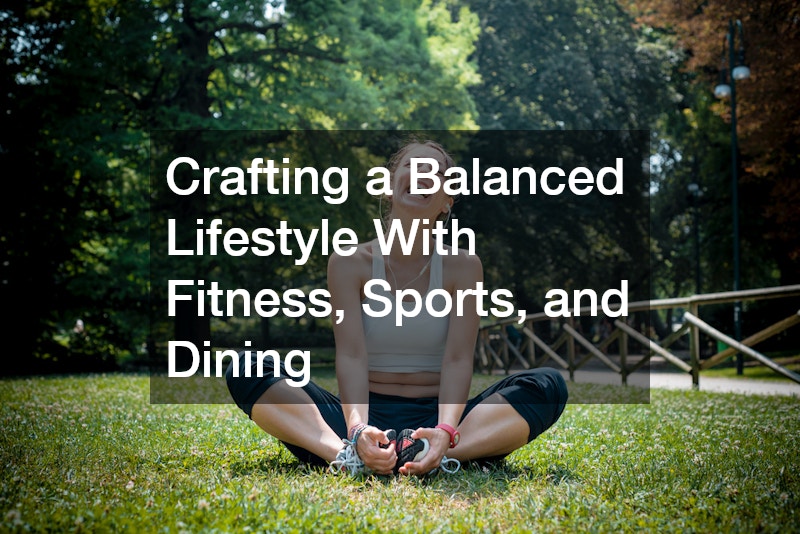
Crafting a balanced lifestyle is about creating a rhythm between movement, social connection, personal interests, and time to recharge. Many people think balance means strict routines or perfectly planned days, but in reality, it’s about blending activities that energize your body, stimulate your mind, and connect you with your community. Fitness, recreational sports, and meaningful dining experiences all play a role in shaping that balance.
When these elements come together, they can support physical health, emotional well-being, and stronger relationships. Active hobbies provide opportunities to move regularly, while shared meals and community events create moments to slow down and connect. The key is learning how to integrate these experiences into everyday life in a way that feels sustainable and enjoyable.
Rather than treating exercise, hobbies, and social time as separate priorities, many people find success by weaving them together. A walk with friends, a community sports league, or an outdoor dinner can support multiple aspects of wellness at once. Small shifts in how you plan your time can gradually create a lifestyle that feels balanced without feeling overly structured.
The following strategies explore practical ways to build a balanced lifestyle through fitness, sports, creative pursuits, and social activities.
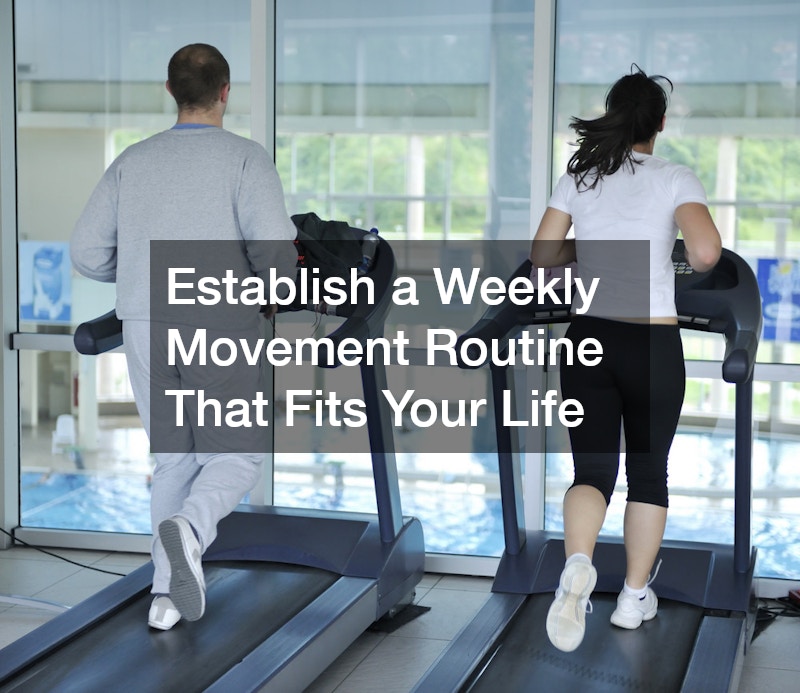
Establish a Weekly Movement Routine That Fits Your Life
Consistency is one of the most important factors in maintaining physical health. While intense workout plans can feel motivating at first, many people find it easier to maintain a balanced lifestyle by creating a manageable weekly routine that includes a variety of activities.
A structured environment can make it easier to stay committed to movement goals. Joining a fitness club gives individuals access to equipment, group classes, and a supportive environment that encourages regular exercise. The presence of instructors and fellow members often provides an extra level of accountability that helps people stay on track.
Group classes also introduce variety into weekly routines. Yoga, cycling, strength training, and interval workouts allow members to try different forms of exercise without needing to design an entire program themselves. This variety helps keep workouts engaging and reduces the risk of boredom over time.
When building a weekly routine, consider mixing different types of workouts to avoid burnout and support overall fitness. Strength training sessions help maintain muscle and bone health, while cardiovascular activities improve endurance and heart health. Stretching, yoga, or mobility work can also play an important role in preventing injuries.
Scheduling workouts like appointments can make them easier to maintain. Instead of trying to squeeze exercise into spare moments, setting aside dedicated time each week creates a predictable rhythm that becomes part of daily life. Over time, that routine becomes something you look forward to rather than something you feel obligated to do.
Use Recreational Sports to Make Fitness Social and Fun
Exercise becomes more sustainable when it includes an element of enjoyment. Recreational sports are a powerful way to stay active while also building friendships and community connections.
Joining a tennis program is one example of how structured sports can bring together fitness and social engagement. Tennis improves coordination, agility, and cardiovascular endurance while providing an opportunity to meet new people who share similar interests.
Programs designed for beginners can make sports feel more accessible, especially for individuals who may not have played regularly in the past. Instructional sessions help participants learn proper techniques, while practice matches encourage friendly competition.
In addition to physical benefits, sports help create regular social interaction. Weekly matches or training sessions become opportunities to reconnect with teammates and celebrate progress together. These interactions often turn exercise into a social highlight rather than a chore.
For families, recreational sports can also create shared experiences across generations. Parents and children may participate in community leagues or weekend matches, creating a routine that blends physical activity with quality time together.
Even casual participation in sports can contribute to a balanced lifestyle. The emphasis is not on competition or performance but on movement, enjoyment, and connection.
Explore Outdoor Activities That Build Strength and Focus
Spending time outdoors can enhance both physical and mental well-being. Activities that take place in natural environments often provide a refreshing break from indoor routines and daily responsibilities.
Participating in horse riding lessons offers a unique combination of exercise, concentration, and connection with animals. Riding requires balance, posture, and coordination, while also encouraging riders to remain attentive to the horse’s movements and signals.
For many participants, riding becomes more than just a physical activity. It teaches patience, discipline, and confidence. Working with horses also encourages people to slow down and engage more deeply with their surroundings.
Riders often spend time grooming and caring for horses before and after lessons. These moments create additional opportunities to learn responsibility and develop a deeper appreciation for the animals involved in the sport.
Outdoor sports and recreational activities provide additional benefits beyond physical fitness. Exposure to fresh air and natural scenery can improve mood and reduce stress levels. Time spent outside often feels restorative in ways that indoor environments sometimes cannot match.
Making time for outdoor activities each week can help create a sense of balance that complements structured workouts and indoor fitness routines.
Introduce Physical Activities That Encourage Skill Development
Trying new forms of movement can keep fitness routines exciting and engaging. Activities that focus on skill development encourage participants to stay motivated while continuously improving their abilities.
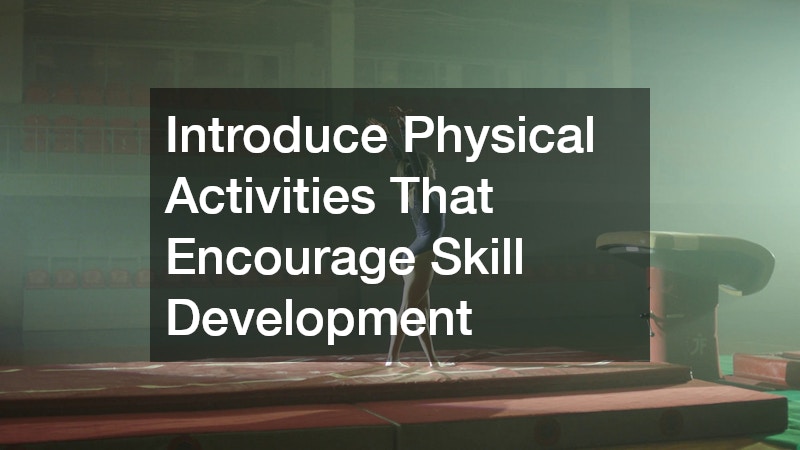
Training at a gymnastics center is one example of an activity that combines strength, flexibility, and coordination. Gymnastics-based workouts often include exercises that develop core stability, balance, and body awareness.
Even adults who are new to gymnastics-style training can benefit from beginner-friendly programs. These sessions may include movements such as tumbling drills, balance exercises, or bodyweight strength training.
Skill-based activities offer a different kind of motivation compared to traditional workouts. Instead of focusing only on repetitions or weight lifted, participants work toward mastering new movements and techniques. This sense of progression can make workouts feel more rewarding.
Learning new skills keeps workouts mentally stimulating while also improving overall athletic ability. Many people find that these programs help them develop a deeper awareness of how their bodies move and respond to physical challenges.
Create Meaningful Social Moments Around Food and Community
While fitness and sports contribute to physical health, social experiences are equally important for maintaining emotional balance. Dining with friends and family creates opportunities to slow down and enjoy shared moments.
Restaurants located near lakes, rivers, or harbors often provide relaxing settings that enhance the dining experience. Enjoying waterfront dining allows people to combine good food with scenic views and fresh air.
The environment itself often plays a role in the experience. Gentle waves, passing boats, and open skies create a calming atmosphere that encourages guests to linger and enjoy their time together.
These environments naturally encourage conversation and relaxation. After a busy day filled with work or exercise, gathering with others for a meal near the water can feel restorative.
Balanced lifestyles often include intentional moments of enjoyment. Rather than viewing dining as a break from healthy habits, it can become part of a broader lifestyle that values connection and moderation. Choosing meals thoughtfully and savoring them slowly can make dining feel more meaningful.
Encourage Children to Stay Active Through Structured Programs
Active lifestyles often begin in childhood. Introducing young people to sports and physical activities helps them develop healthy habits that can last into adulthood.
Programs like summer camp frequently offer a wide range of recreational activities, including swimming, hiking, team sports, and creative workshops. These experiences allow children to explore different interests while staying physically active.
Camps also provide opportunities for social development. Kids learn teamwork, communication, and independence while participating in group activities. Living and learning alongside peers encourages cooperation and resilience.
Parents often notice that children return from camp with increased confidence and enthusiasm for trying new activities. Exposure to diverse experiences encourages curiosity and creativity.
Encouraging active experiences early in life helps children view physical activity as a normal and enjoyable part of daily living rather than an obligation.
Turn Local Outings Into Active Weekend Adventures
Balanced lifestyles don’t require elaborate travel plans or expensive vacations. Sometimes the most enjoyable experiences come from exploring nearby events and activities.
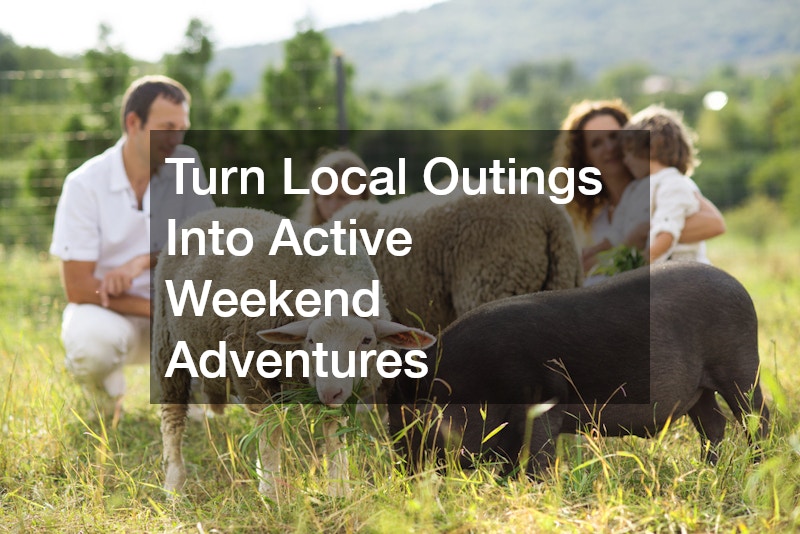
Attending a farm auction can turn an ordinary weekend into a memorable outing. These community gatherings often include food vendors, live demonstrations, and opportunities to explore rural traditions.
Walking through the event grounds, browsing items, and interacting with vendors encourages light physical activity while also providing entertainment. Families and friends can spend hours exploring without feeling rushed.
Auctions also offer a glimpse into agricultural culture and craftsmanship. Visitors may encounter antique tools, handmade goods, and locally produced foods that reflect regional traditions.
Community events like auctions create opportunities to meet local artisans and farmers. These connections strengthen community relationships while adding variety to weekend routines.
Use Hobbies and Creative Activities to Reduce Stress
Physical activity is only one part of maintaining overall wellness. Creative hobbies provide a different kind of mental engagement that helps reduce stress and promote relaxation.
Practicing embroidery is a great example of a hobby that encourages mindfulness. The repetitive motions involved in stitching can create a calming rhythm that helps quiet the mind.
Creative projects also provide a sense of accomplishment. Completing a design or decorative piece can be deeply satisfying, especially after a busy day.
Many people enjoy incorporating embroidery into everyday items like clothing, bags, or home décor. Personalizing items through creative work adds meaning and individuality to everyday objects.
Many people find that creative hobbies complement active lifestyles by offering a quieter, reflective activity. Alternating between physical movement and creative expression supports both mental and emotional balance.
Plan Active Social Gatherings That Encourage Movement
Social gatherings don’t always have to revolve around sitting indoors. Planning activities that involve movement can make social time more engaging and energizing.
For example, exploring large outdoor events or recreational spaces is often easier when using a golf cart for transportation. Whether at festivals, sporting venues, or expansive parks, these vehicles make it possible to explore larger areas comfortably.
Groups can move between different activity areas, food stands, or entertainment zones without feeling fatigued. This allows participants to remain active while still enjoying the event.
Outdoor gatherings often include walking trails, games, and live entertainment that encourage movement. These elements create a more dynamic experience than traditional gatherings.
When planning social events, consider venues that naturally encourage exploration and interaction. Movement-based activities keep energy levels high and help guests stay engaged throughout the gathering.
Celebrate Personal Milestones and Lifestyle Achievements
Recognizing personal progress is an important part of maintaining motivation. Milestones related to fitness goals, personal growth, or meaningful relationships deserve acknowledgment.
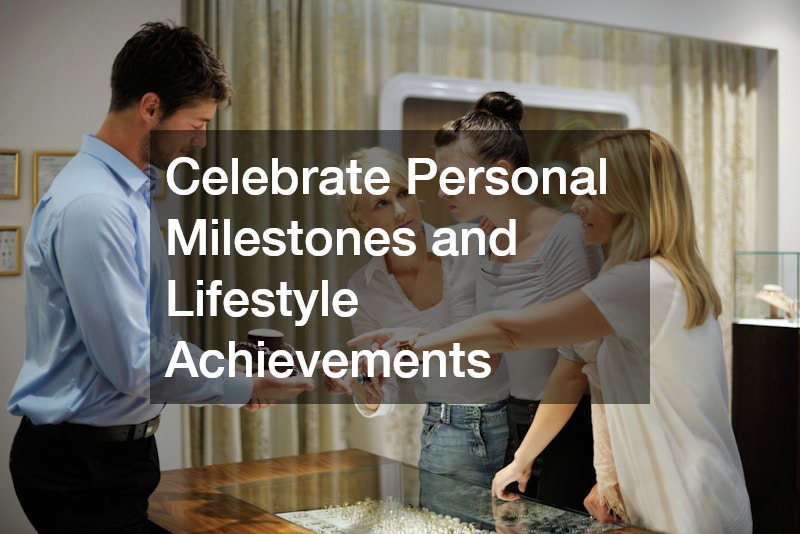
Visiting a local jeweler to commemorate an achievement can add symbolic value to these moments. Jewelry often serves as a lasting reminder of important life events, whether celebrating a fitness milestone, anniversary, or personal accomplishment.
Some people choose items that represent specific achievements, such as completing a race, reaching a training goal, or marking a meaningful life transition. These items become personal symbols of perseverance and growth.
Symbols of achievement can reinforce positive habits and inspire continued progress. Each milestone becomes part of a larger story about growth, resilience, and commitment to a balanced life.
Taking time to celebrate progress reminds individuals that lifestyle changes are about more than routines. They represent meaningful steps toward long-term well-being.
Balance doesn’t come from rigid schedules or constant productivity. Instead, it grows from thoughtfully combining activities that nourish the body, mind, and relationships. Regular physical activity strengthens the body, while recreational sports and hobbies provide enjoyment and personal fulfillment. Shared meals and community experiences deepen connections with others.
By exploring a variety of interests and making time for both movement and relaxation, individuals can create a lifestyle that feels both energizing and sustainable. Small changes — like trying a new activity, joining a recreational group, or setting aside time for creative hobbies — can gradually shape daily routines in meaningful ways.
A balanced lifestyle is ultimately about intention. Choosing activities that bring joy, connection, and well-being helps transform everyday routines into a fulfilling way of life.