
Health and well-being are influenced by more than occasional doctor visits, exercise routines, or dietary choices. Everyday experiences, responsibilities, surroundings, and personal relationships all contribute to how people feel physically, mentally, and emotionally. From maintaining a comfortable home to finding reliable services and making time for personal care, seemingly unrelated aspects of daily life can have a meaningful impact on overall wellness.
Understanding these connections can help people make more informed decisions about their routines and priorities. While individual health needs vary, creating a supportive environment involves considering several areas of life, including family responsibilities, transportation, home maintenance, preventive care, and personal development. Looking at these everyday connections provides a broader understanding of what it means to maintain a healthy lifestyle.
How Home Environments Influence Well-Being
The condition of a person’s home can affect physical comfort, emotional health, and everyday routines. A clean, organized, and well-maintained living environment provides a place to relax, recover from daily responsibilities, and spend time with loved ones. On the other hand, unresolved maintenance problems can introduce unnecessary stress and interfere with normal activities.
Indoor air quality, moisture levels, temperature, lighting, and cleanliness are all factors that contribute to residential comfort. For example, excessive moisture can create conditions that encourage mold growth, potentially affecting indoor air quality. Homeowners who experience leaks or flooding may need assistance from water restoration companies to address affected materials, remove moisture, and restore damaged areas.
Pest prevention is another important part of maintaining a comfortable home. Termites can damage wooden structural components, potentially creating expensive repairs and concerns about property safety. Professional termite control services help property owners address infestations and take preventive measures to protect their homes.
Organization also contributes to well-being. Cluttered spaces can make everyday tasks more difficult, while thoughtfully arranged rooms can support productivity and relaxation. Creating designated areas for work, hobbies, exercise, and rest helps people establish routines that support different aspects of their lives.
Noise levels and privacy matter, too. A quiet bedroom can make it easier to establish a consistent nighttime routine, while comfortable shared spaces encourage social interaction. These environmental details may seem minor individually, but together they help shape the experience of living in a particular space.
Maintaining a healthy home environment is therefore about more than appearance. Addressing maintenance concerns, improving comfort, and creating functional spaces can support the physical and emotional needs of everyone in the household.
How Family Responsibilities Shape Daily Routines
Family responsibilities influence how people organize their schedules, manage stress, and prioritize personal needs. Parents and caregivers often balance employment, household tasks, transportation, appointments, and children’s activities. Finding ways to manage these responsibilities can make everyday life more predictable and reduce unnecessary pressure.
Childcare is one example of how family services connect to household well-being. Reliable daycare provides children with supervised environments where they can participate in structured activities, interact with others, and develop age-appropriate skills. Having dependable childcare arrangements can also help parents maintain work schedules and manage other responsibilities.
Early childhood education plays an important role in children’s development. Parents comparing educational options may research the best pre K programs based on curriculum, classroom environments, teacher qualifications, and opportunities for social interaction. A positive early learning experience can encourage curiosity, communication, independence, and confidence.
Family routines also influence children’s physical and emotional development. Consistent mealtimes, regular sleep schedules, outdoor activities, and opportunities for play help establish habits that can continue as children grow. Shared routines also provide opportunities for family members to connect and communicate.
However, supporting family well-being requires recognizing that caregivers have needs of their own. Parents who consistently put everyone else’s responsibilities ahead of their personal health may experience exhaustion or increased stress. Making time for rest, medical appointments, hobbies, and social connections is an important part of maintaining balance.
Families can also benefit from dividing responsibilities when possible. Sharing household tasks, coordinating transportation, and communicating about upcoming commitments can make busy schedules easier to manage. Rather than expecting one person to handle every responsibility, creating a cooperative household environment can support everyone’s well-being.

Why Preventive Health Care Matters
Preventive health care is an important part of maintaining long-term wellness. Instead of waiting until symptoms become difficult to manage, routine appointments allow individuals to discuss concerns, monitor changes, and receive professional guidance about their health.
Different areas of health require different types of attention. Dental care, vision care, reproductive health, and general medical appointments each address needs that may otherwise be overlooked during busy periods.
Oral health is particularly important because the condition of the teeth and gums can affect comfort, nutrition, speech, and confidence. Regular dental examinations help identify concerns such as cavities and gum disease before they become more complicated. In addition to routine dental care, cosmetic dentistry offers treatments that focus on the appearance of teeth and smiles. Options may include professional whitening, veneers, and other procedures designed to address aesthetic concerns.
Vision is another area that deserves regular attention. Changes in eyesight can affect reading, driving, working, and completing everyday activities. Professional eye care services can help individuals monitor their vision, identify potential concerns, and determine whether corrective lenses or additional treatment may be appropriate.
Reproductive health is equally important. Routine appointments for gynecological care give individuals opportunities to discuss menstrual health, reproductive concerns, preventive screenings, and other changes that may occur throughout different stages of life. These appointments also provide an opportunity to ask questions and receive guidance based on individual needs.
Preventive care should be viewed as an ongoing process rather than a collection of isolated appointments. Maintaining health records, following professional recommendations, and discussing new symptoms can help individuals make informed decisions over time.
It is also important to recognize that preventive health needs change throughout life. Children, adults, and older individuals may require different screenings, examinations, and forms of professional support. Staying informed about appropriate care can help people remain attentive to their changing needs.
How Transportation Supports Independence
Transportation is closely connected to health and well-being because it affects people’s ability to access employment, education, medical appointments, grocery stores, and social activities. Reliable transportation can make daily responsibilities easier to manage while supporting independence.
For individuals who drive regularly, maintaining a vehicle is an important responsibility. Mechanical problems can interfere with commuting schedules and make certain trips difficult or unsafe. Commercial vehicles also require specialized maintenance to remain functional. Businesses that depend on transportation may need professional truck body repair to address damage, maintain vehicle components, and keep their fleets in appropriate working condition.
Transportation options also influence recreational opportunities. Golf carts, for example, are used in various communities, recreational facilities, and private properties. Reliable golf cart services can help owners maintain these vehicles through inspections, repairs, and other maintenance needs. Having functional transportation for recreational settings can make outdoor activities and social gatherings more accessible.
Beyond vehicle maintenance, transportation planning can influence stress levels. Allowing enough time for commutes, organizing errands by location, and keeping vehicles properly maintained can reduce some of the uncertainty associated with daily travel.
Access to transportation is especially important for people who have limited mobility or live in areas with fewer public transportation options. When transportation becomes difficult, routine appointments and social activities may be postponed. Exploring available transportation resources and coordinating rides with friends or family can help address these challenges.
Transportation also contributes to social well-being. Visiting relatives, attending community events, participating in recreational activities, and spending time outdoors all depend, at least in part, on the ability to get from one place to another.
These connections demonstrate why transportation should be considered more than a convenience. It can influence independence, access to essential services, and participation in everyday life.
The Connection Between Physical Activity and Recreation
Physical activity supports numerous aspects of health, including cardiovascular function, muscle strength, mobility, and energy levels. Regular movement can also contribute to emotional well-being by providing opportunities to reduce stress, establish routines, and enjoy time away from daily responsibilities.
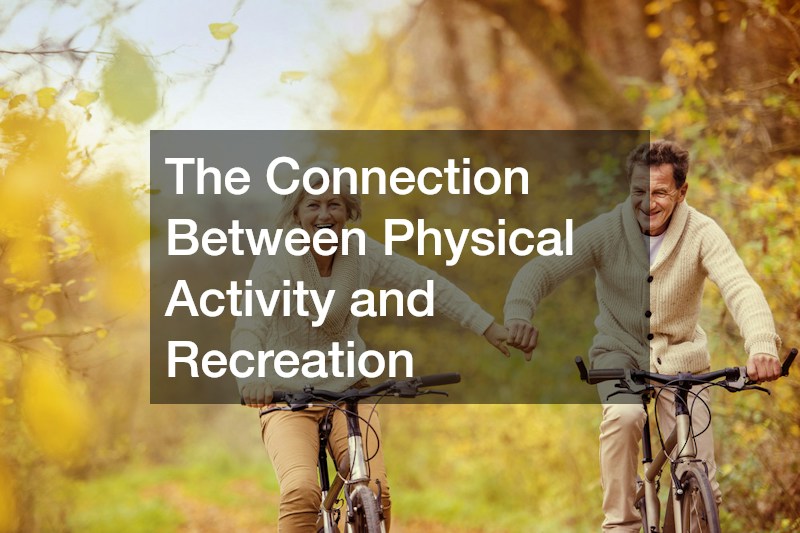
Exercise does not have to involve an intensive gym routine. Walking, gardening, cycling, swimming, dancing, and recreational sports are all ways to incorporate movement into everyday life. Finding activities that people genuinely enjoy can make it easier to remain consistent.
Outdoor recreation offers additional opportunities to connect physical activity with social interaction and time in nature. Spending time outside can provide a change of scenery, encourage exploration, and create opportunities for meaningful experiences with others.
Golf is one example of a recreational activity that combines movement, concentration, and social engagement. Although the level of physical activity varies depending on how someone plays, walking a course can provide an opportunity to spend time moving outdoors. Recreational activities can also encourage people to maintain relationships and develop interests beyond their professional and household responsibilities.
It is helpful to choose activities that match individual abilities and preferences. Someone returning to exercise after a long period of inactivity may prefer shorter walks or gentle stretching, while another person may enjoy organized sports or more challenging outdoor activities.
Consistency is often more valuable than intensity when establishing sustainable movement habits. Scheduling manageable activities throughout the week can help people make physical activity a regular part of their routines.
Rest and recovery should also be considered. Allowing time for adequate sleep and recovery between demanding activities helps individuals maintain energy and avoid placing unnecessary strain on their bodies.
Why Mental and Emotional Health Deserve Attention
Mental and emotional health influence how people respond to challenges, maintain relationships, make decisions, and manage everyday responsibilities. Stress is a normal part of life, but prolonged or overwhelming stress can affect sleep, concentration, motivation, and physical comfort.
Recognizing emotional needs is an important first step toward maintaining well-being. People may benefit from establishing routines that provide time for relaxation, connecting with supportive individuals, practicing mindfulness, or participating in enjoyable activities.
Work-life balance is another important consideration. Long workdays and demanding schedules can make it difficult to maintain relationships, exercise regularly, or prioritize personal interests. Establishing reasonable boundaries between professional responsibilities and personal time can help create more sustainable routines.
Mental health concerns sometimes require professional support. Counseling, therapy, and other appropriate services can provide individuals with tools for understanding emotions, managing difficult experiences, and developing healthier coping strategies.
For individuals experiencing substance use concerns, professional treatment may also be an important part of improving overall health. A detox center can provide medically supervised withdrawal support for people who need assistance managing substance withdrawal. Because withdrawal can involve serious health risks, professional evaluation and appropriate medical supervision are important when determining the safest course of care.
Social connections are another valuable part of emotional well-being. Spending time with friends, maintaining family relationships, participating in community activities, and developing supportive connections can help people feel less isolated.
It is important to remember that emotional wellness does not require feeling positive every day. Difficult experiences, periods of uncertainty, and changing responsibilities are normal parts of life. Making room to recognize those feelings and seek appropriate support can contribute to healthier long-term coping habits.
How Everyday Habits Influence Long-Term Wellness
Long-term well-being is shaped by the habits people repeat throughout their lives. Individual decisions about food, sleep, movement, hygiene, and personal care may appear small, but their combined effects can influence overall health.
Nutrition is one important example. Eating a variety of foods provides the body with nutrients needed for energy, tissue maintenance, and normal functioning. Planning meals ahead of time can make it easier to maintain balanced eating habits, especially when schedules are busy.
Sleep is equally important. Consistent sleep routines support physical recovery, concentration, mood, and everyday performance. Creating a comfortable sleeping environment, limiting unnecessary nighttime distractions, and maintaining a regular bedtime can help support better rest.
Personal hygiene and routine care also contribute to wellness. Washing hands, maintaining dental hygiene, keeping living spaces clean, and following appropriate personal care routines can help people protect their health.
Another important habit is paying attention to changes in the body. Persistent discomfort, unusual symptoms, changes in vision, or other concerns should not automatically be dismissed as ordinary parts of a busy schedule. Seeking professional guidance when appropriate can help individuals better understand what is happening and determine whether further evaluation is necessary.
Setting realistic goals can make healthier habits easier to maintain. Rather than attempting to change every part of a routine at once, people can focus on manageable adjustments. Preparing meals more consistently, scheduling overdue appointments, adding short walks, or establishing a regular bedtime are examples of practical starting points.
It is also helpful to periodically review personal routines. Work schedules, family responsibilities, physical abilities, and health needs change over time. Adjusting habits to reflect these changes can help people maintain a lifestyle that remains practical and supportive.
Building a More Balanced Approach to Well-Being
Health and well-being are connected to nearly every part of daily life. Home maintenance, family responsibilities, transportation, preventive care, recreation, and emotional support all contribute to the environments and routines that shape people’s experiences.
Recognizing these connections encourages a more complete approach to personal wellness. Instead of focusing on a single health goal, individuals can consider how their surroundings, relationships, responsibilities, and everyday decisions influence their overall quality of life.
Making thoughtful choices, maintaining healthy routines, and seeking professional support when needed can help people create more balanced lifestyles. By paying attention to the different aspects of daily life, individuals can build habits and environments that support their well-being through every stage of life.


